



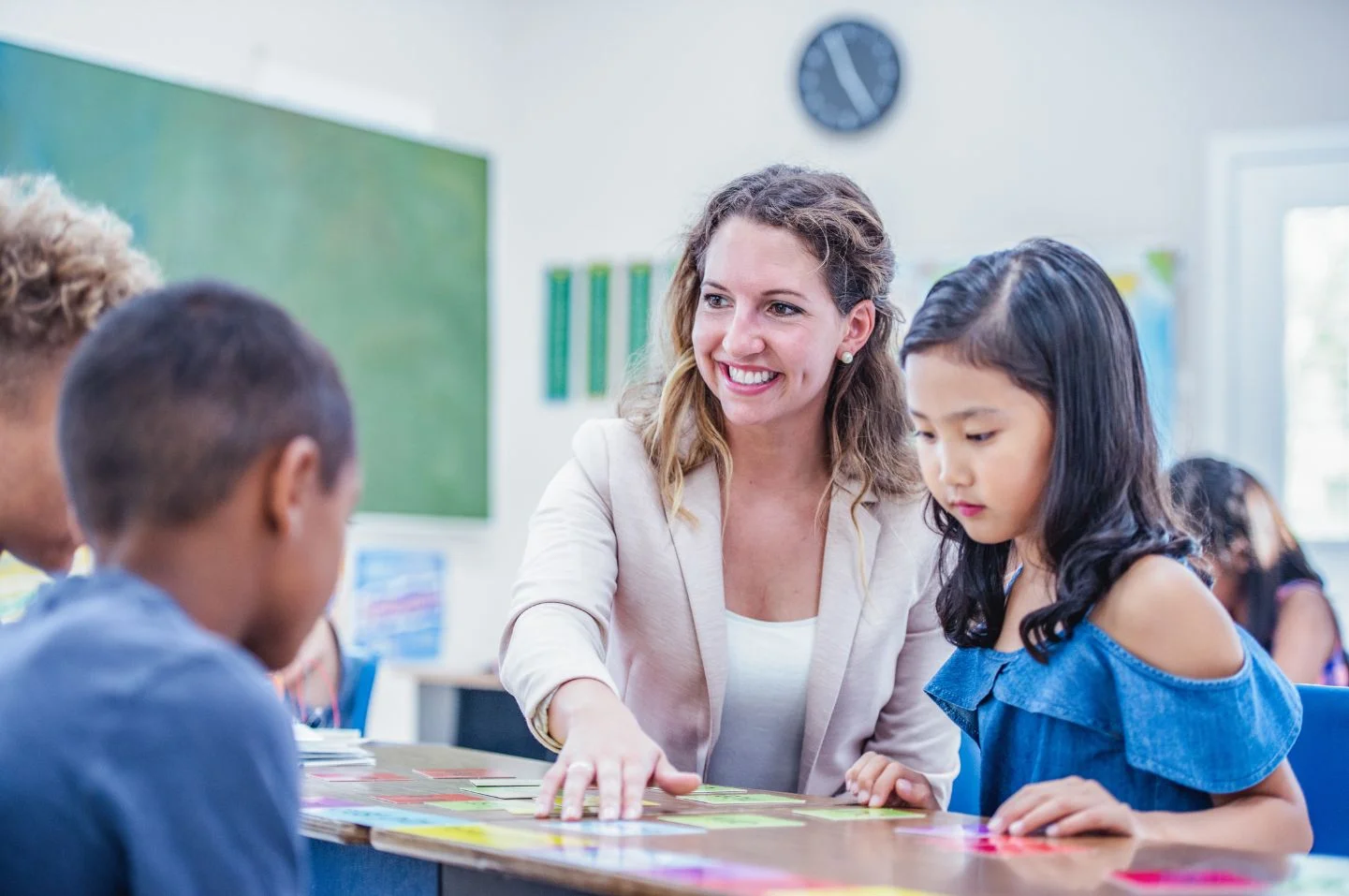
In a world where education is evolving faster than ever, one institution continues to balance innovation with tradition: Rosarian Academy. Known for its commitment to nurturing not only the intellect but also the character and spirit of each student, Rosarian stands as a model for holistic education in the 21st century. The school’s mission to educate the whole child—mind, body, and soul—reflects a deep understanding of what true learning means in today’s complex global environment.
The Meaning of Holistic Education in the Modern Era
Holistic education is more than a teaching method. It is an approach that views students as multidimensional beings whose intellectual growth is inseparable from emotional, social, and moral development. In this model, academic excellence is balanced with empathy, creativity, and ethical reasoning. For modern educators, the challenge lies in creating a learning environment that fosters both academic mastery and personal growth. Rosarian Academy embraces this philosophy by cultivating lifelong learners grounded in values and purpose.
Academic Rigor with a Human Touch
At Rosarian Academy, academic excellence is not achieved through rote memorisation or test-oriented teaching. Instead, the curriculum is designed to stimulate inquiry, curiosity, and real-world application. Students are encouraged to think critically, ask meaningful questions, and develop the confidence to explore complex ideas. Teachers act as mentors, guiding students through intellectual challenges while recognising their individual learning styles and emotional needs.
The emphasis on small class sizes and personalised instruction ensures that each student receives the attention required to thrive. This personalised learning experience helps them develop resilience, adaptability, and independent thought—skills that are indispensable in higher education and professional life.
Integrating Faith, Values, and Character Formation
One of Rosarian Academy’s defining strengths is its integration of faith-based values into everyday learning. While the academic program prepares students for intellectual success, its spiritual foundation nurtures integrity, compassion, and respect for others. The school’s philosophy reinforces the idea that education without values is incomplete. By combining academic rigor with moral responsibility, Rosarian cultivates graduates who are not only knowledgeable but also guided by purpose and empathy.
Students participate in community service, reflective practices, and value-based discussions that encourage them to see learning as a way to serve others. This moral dimension of education instills a sense of responsibility that extends far beyond the classroom.
Fostering Creativity and Emotional Intelligence
Creativity and emotional intelligence are central to modern success, yet they are often overlooked in traditional education systems. Rosarian Academy gives these areas equal importance through arts, music, and drama programs that allow students to express themselves authentically. Emotional awareness is fostered through collaboration, team projects, and peer learning. These experiences develop interpersonal skills, self-awareness, and the ability to navigate complex social environments.
By nurturing creativity alongside critical thinking, Rosarian equips students with the flexibility and imagination required to solve the world’s emerging challenges. The goal is to prepare students not only to adapt to change but to become agents of change themselves.
Emphasising Experiential and Service Learning
Experiential learning—learning through doing—is another cornerstone of Rosarian Academy’s approach. From hands-on science experiments to outdoor education and service projects, students apply theoretical knowledge to real-life situations. These experiences strengthen understanding, deepen engagement, and teach accountability.
Service learning, in particular, embodies the academy’s mission to develop compassionate leaders. By participating in community-based projects, students learn empathy, humility, and the importance of collective well-being. Such activities transform learning from a purely academic exercise into a meaningful journey of personal and social transformation.
Technology and Innovation in Education
Incorporating technology into the classroom is no longer optional. Rosarian Academy recognises this and uses technology not as a replacement for traditional teaching but as a powerful enhancement. Interactive tools, digital collaboration platforms, and modern research resources allow students to engage with subjects in dynamic ways. Teachers integrate technology thoughtfully, ensuring that students develop digital literacy while maintaining human connection and critical thinking as central values.
This balanced approach ensures that students are future-ready—able to leverage technology for learning without becoming overly dependent on it.
Building Global Awareness and Cultural Competence
The interconnected world demands cultural understanding and empathy across borders. Rosarian Academy embeds global awareness into its curriculum through language studies, cultural programs, and international collaboration. Students learn to appreciate diversity, respect different perspectives, and engage with global issues responsibly.
This exposure not only broadens their worldview but also strengthens their leadership potential. The academy’s goal is to shape globally competent citizens who can think ethically, act courageously, and contribute positively to society.
The Role of Teachers as Mentors and Guides
Rosarian educators are more than instructors. They serve as mentors, role models, and guides who nurture each student’s intellectual and personal journey. Their approach combines expertise with empathy, encouraging curiosity while maintaining high academic expectations. Teachers inspire students to push boundaries, embrace challenges, and discover their unique gifts.
This mentorship model creates a supportive atmosphere where students feel seen, valued, and motivated to excel. It also reinforces trust and respect—key elements of the learning relationship that sustain student engagement.
Parental Involvement and Community Connection
Holistic education thrives when schools, families, and communities work together. Rosarian Academy actively involves parents in the educational process through regular communication, family events, and volunteer opportunities. This collaboration creates a shared responsibility for nurturing children’s growth.
Community partnerships further extend learning beyond the classroom, connecting students to real-world experiences and service opportunities. This interconnected support system ensures that students are surrounded by positive influences at every stage of their development.
Preparing Students for a Purpose-Driven Future
The ultimate goal of Rosarian Academy’s holistic education is to prepare students not only for academic success but for lives of purpose and fulfillment. The emphasis on character, compassion, and leadership equips them to make ethical decisions in their personal and professional lives. Whether they pursue careers in science, business, art, or public service, Rosarian graduates carry with them a deep sense of responsibility to the greater good.
In an era where education often focuses narrowly on outcomes and test scores, Rosarian Academy stands apart for its commitment to humanising learning. It serves as a reminder that true education is not about information alone, but transformation.
FAQs
Q: What makes Rosarian Academy different from other private schools?
A: The academy’s focus on holistic education, moral values, and individual attention sets it apart. It emphasises intellectual, emotional, and spiritual development in equal measure, creating well-rounded students.
Q: How does Rosarian integrate faith into academics?
A: Faith is woven naturally into the curriculum through service learning, reflective discussions, and moral education, encouraging students to align knowledge with values.
Q: What opportunities does Rosarian provide for creativity and self-expression?
A: The school offers diverse programs in arts, drama, and music, encouraging students to explore creative outlets and build confidence in their abilities.
Q: How does the academy prepare students for leadership?
A: Leadership development begins early through teamwork, community engagement, and service projects. Students learn responsibility, empathy, and problem-solving skills in real-world contexts.
Q: Does Rosarian use modern technology in teaching?
A: Yes, technology is integrated thoughtfully to support interactive learning and research. However, human connection and critical thinking remain the foundation of education.
Q: How does Rosarian support emotional and social growth?
A: Through small class sizes, mentorship, and values-based education, students learn empathy, cooperation, and emotional intelligence alongside academic skills.
Q: What age groups does Rosarian Academy serve?
A: The academy offers education from early childhood through middle school, providing a continuous and nurturing learning journey.
Q: Why is holistic education more relevant than ever today?
A: As society becomes increasingly complex, holistic education prepares students to navigate challenges with integrity, resilience, and compassion—skills essential for the modern world.
